Nutrition Basics
Vitamin D: What It Does, Food Sources and How People Get It
Why vitamin D matters for bones, why deficiency is common even in sunny India, where it comes from, what tests mean and why more isn't better.
Knowledge area 12 of 13
Nutrition across the menstrual cycle, PCOS, pregnancy, postpartum and menopause.
Women's nutritional needs change across life stages and are shaped by menstruation, pregnancy, lactation and menopause. Conditions such as PCOS and iron-deficiency anaemia are common, and the evidence base has historically been thinner than it should be.
This section is in development. We are building these guides carefully and will not publish thin or speculative advice on topics where accuracy matters this much. In the meantime, the foundational guides below are relevant, and individual concerns should go to a qualified clinician.
Browse by topic
In development
We're researching this section carefully rather than publishing quickly. Topics on our editorial roadmap include:
Have a question you'd like us to cover? Tell us.
Start here
Why vitamin D matters for bones, why deficiency is common even in sunny India, where it comes from, what tests mean and why more isn't better.
How protein needs are estimated, why one number doesn't fit everyone, and how to meet them from dal, dairy, eggs, soy and more.
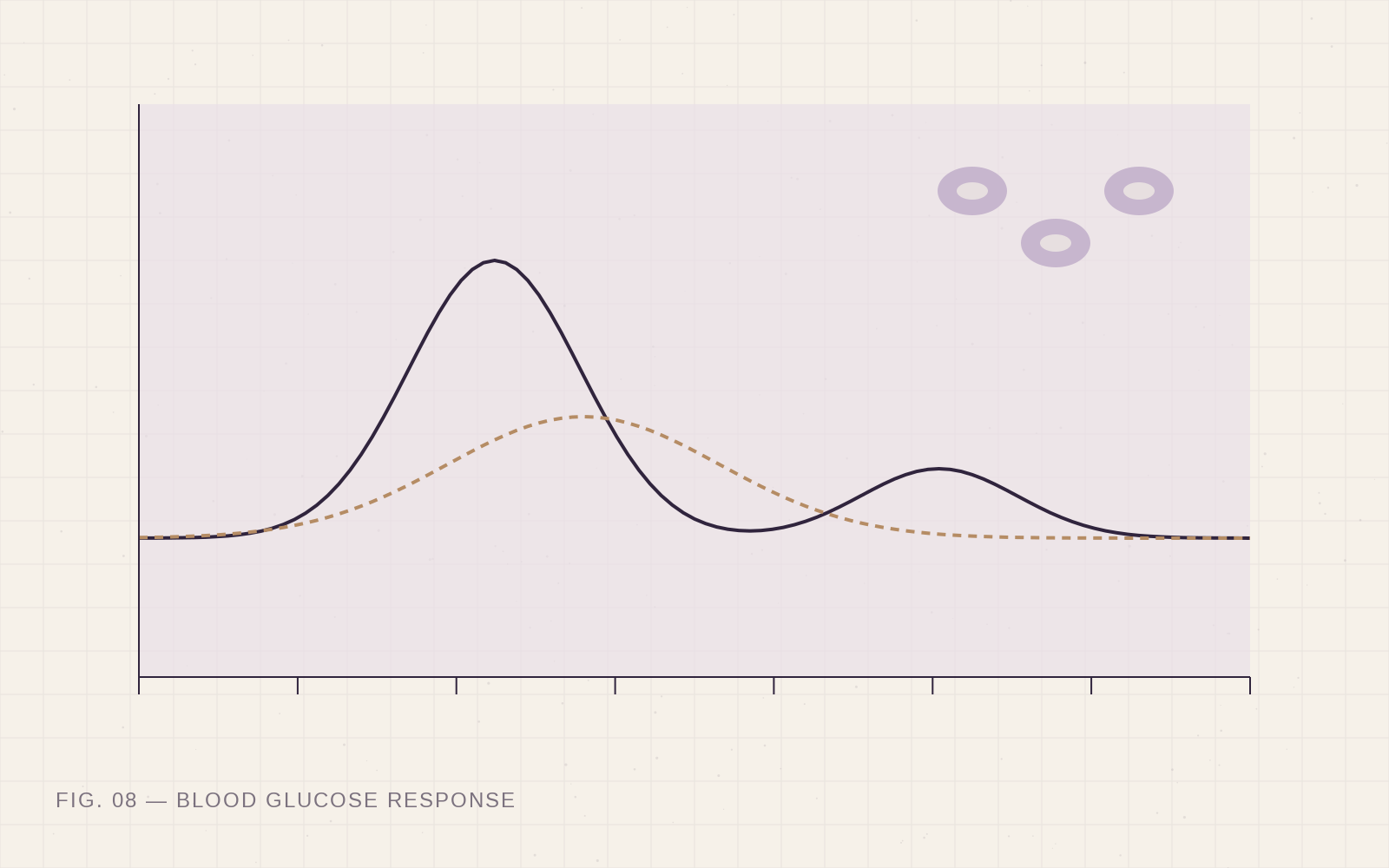
How the body regulates blood glucose, what fasting glucose and HbA1c tests actually measure, what the ranges mean and how food fits in.
Why 'eight glasses a day' isn't the answer, how climate, exercise and food change your needs, and how to tell if you're drinking enough — or too much.
Soluble and insoluble fibre, what they do, how much adults need and how to get more from dal, millets, vegetables and fruit — without the discomfort.
What carbohydrates, protein and fat each do, why quality matters more than ratios, and how they come together on a real plate.
Related tools
Related glossary terms
Connected topics