In a nutshell
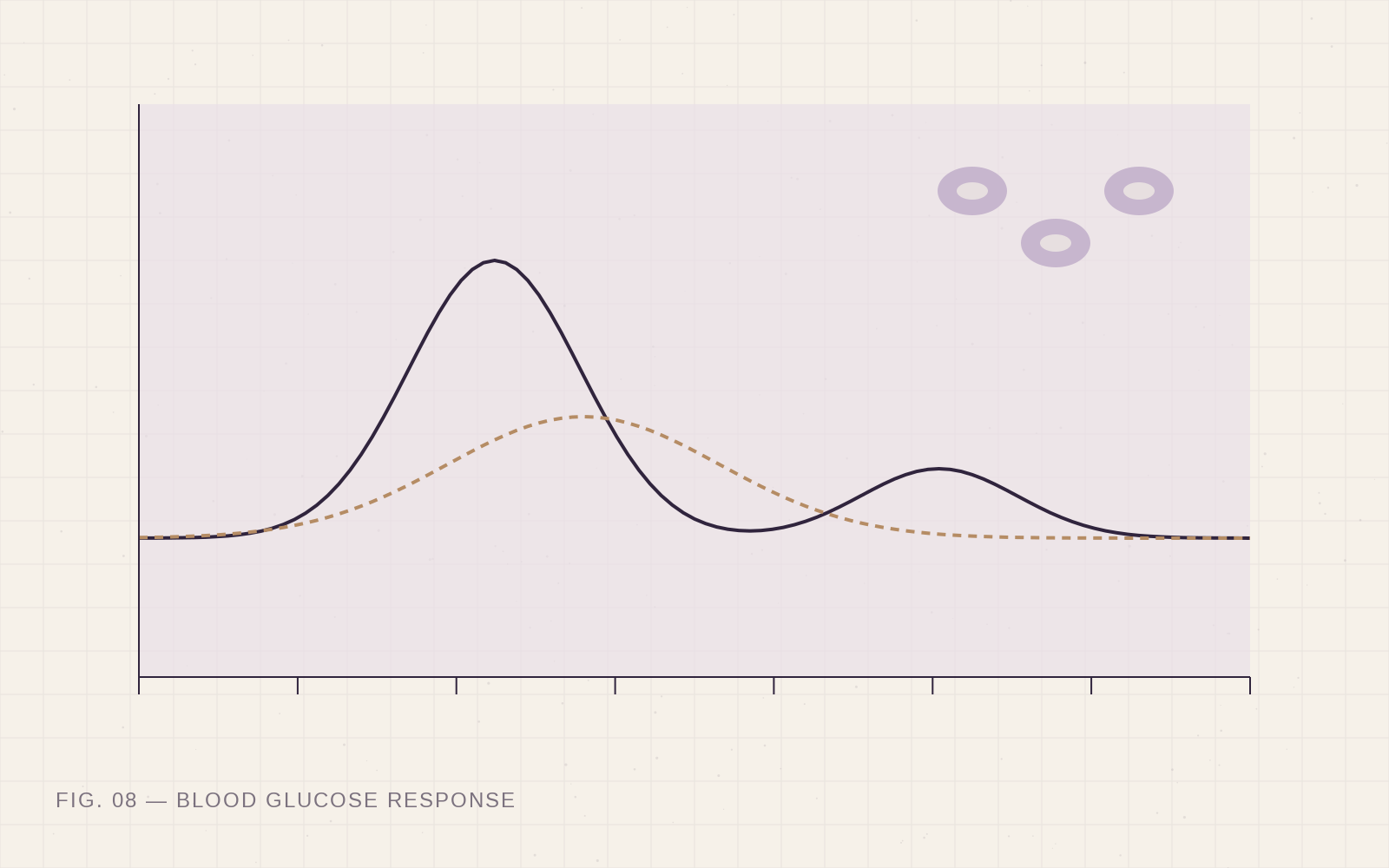
- After you eat, blood glucose rises; the pancreas releases insulin, which helps cells take up glucose and signals the liver to store it.
- Fasting plasma glucose measures glucose after at least 8 hours without food; HbA1c reflects average glucose over roughly 2–3 months.
- Commonly used ranges: HbA1c below 5.7% typical, 5.7–6.4% prediabetes range, 6.5% or above diabetes range (diagnosis is usually confirmed with a repeat test).
- Carbohydrate quality and quantity, fibre, protein, fat, meal patterns, activity, sleep and stress all influence blood glucose.
- Anaemia, some haemoglobin variants, pregnancy and kidney disease can make HbA1c less reliable.
What blood glucose is
Glucose is a simple sugar and the body’s most readily used fuel. Most of the digestible carbohydrate you eat — from rice, roti, fruit, milk, sugar — is broken down into glucose (or converted into it) and absorbed into the bloodstream.
Blood glucose isn’t fixed. It rises after meals and falls between them, but in a healthy person the body keeps it within a fairly narrow range. That’s important: too little glucose (hypoglycaemia) starves the brain of fuel; persistently too much (hyperglycaemia) damages blood vessels and nerves over time.
Insulin and blood glucose regulation
Several hormones keep blood glucose in range. The two most important come from the pancreas:
- Insulin, made by beta cells. When glucose rises after a meal, insulin is released. It helps muscle and fat cells take up glucose, tells the liver to store glucose as glycogen, and reduces the liver’s own glucose output.
- Glucagon, made by alpha cells. When glucose falls, glucagon tells the liver to release stored glucose and make new glucose.
Between meals and overnight, the liver keeps blood glucose stable by releasing glucose. After meals, insulin brings it back down. Muscles are major consumers of glucose — especially during and after physical activity, which increases glucose uptake even without extra insulin.
Insulin resistance
In insulin resistance, cells respond less strongly to insulin. The pancreas compensates by producing more. For a while, blood glucose may stay normal. Over time, if the pancreas can’t keep up, glucose rises — first into the prediabetes range and then, for some people, into type 2 diabetes.
Insulin resistance is linked with excess abdominal fat, physical inactivity, genetics, ageing, some medicines and sleep problems. South Asian populations tend to develop insulin resistance and type 2 diabetes at lower body weights and younger ages than many other populations.
The main blood glucose tests
Fasting plasma glucose (FPG)
Measures glucose in the blood after at least 8 hours without food (water is allowed). Usually done first thing in the morning.
HbA1c (glycated haemoglobin)
Glucose in the blood sticks to haemoglobin in red blood cells. Because red blood cells live for around three months, the percentage of haemoglobin with glucose attached reflects average blood glucose over roughly the past 2–3 months. No fasting is needed. Results are reported as a percentage (%) and sometimes in mmol/mol.
Oral glucose tolerance test (OGTT)
After fasting, you drink a standard glucose solution (75 g) and blood glucose is measured two hours later. It shows how well the body handles a glucose load and is also used to screen for diabetes in pregnancy.
Random plasma glucose
Measured at any time of day. A very high value with classic symptoms can indicate diabetes.
What the tests mean
Ranges commonly used by the American Diabetes Association, CDC and NIDDK for non-pregnant adults:
| Test | Typical range | Prediabetes range | Diabetes range |
|---|---|---|---|
| HbA1c | Below 5.7% | 5.7%–6.4% | 6.5% or above |
| Fasting plasma glucose | 99 mg/dL or below (5.5 mmol/L) | 100–125 mg/dL | 126 mg/dL or above (7.0 mmol/L) |
| OGTT (2-hour) | 139 mg/dL or below | 140–199 mg/dL | 200 mg/dL or above |
| Random glucose | — | — | 200 mg/dL or above, with symptoms |
A few important points:
- One result isn’t a diagnosis. Unless there are clear symptoms with very high glucose, diabetes is usually diagnosed only after a second abnormal test.
- Thresholds differ slightly between organisations. For example, WHO uses 110–125 mg/dL for impaired fasting glucose, while the ADA uses 100–125 mg/dL.
- Prediabetes isn’t a disease label to fear — it’s a warning sign that risk is higher, and a well-studied opportunity for prevention.
Limitations of the tests
- HbA1c can be misleading in iron-deficiency anaemia (which can raise HbA1c), other anaemias, recent blood loss or transfusion, some haemoglobin variants (common in parts of India), pregnancy and advanced kidney disease. If HbA1c and glucose readings don’t match, a doctor may use other tests.
- Fasting glucose varies day to day with sleep, stress, illness and what you ate the night before.
- Home glucose meters are useful for monitoring in people with diabetes but aren’t used to diagnose diabetes.
- Continuous glucose monitors (CGMs) are valuable for many people with diabetes. Their usefulness for people without diabetes is uncertain: normal glucose fluctuations can look alarming without context.
Food and blood glucose
Food choices influence the size and shape of the post-meal glucose rise.
- Amount of carbohydrate. Larger portions of carbohydrate generally produce larger rises.
- Type of carbohydrate. Whole grains, millets, pulses and intact foods tend to raise glucose more gradually than refined flour, white bread and sugary drinks. This is reflected in the glycaemic index (GI) and glycaemic load (GL).
- Fibre. Viscous soluble fibre (oats, barley, pulses, psyllium) slows glucose absorption. See our fibre guide.
- Protein and fat in the meal slow stomach emptying and blunt the glucose peak.
- Cooking and processing. Finely milled, puffed or overcooked starches are digested faster; cooled cooked rice or potatoes contain more resistant starch.
- Drinks. Sugary drinks and juices cause fast, large rises.
Practical patterns that fit with the evidence:
- Build meals with vegetables, a protein source and a moderate portion of whole-grain or millet-based carbohydrate. See Millets explained.
- Choose water, buttermilk or unsweetened tea over sugary drinks.
- Move after meals — even a short walk helps muscles use glucose.
- Prioritise sleep; short sleep is linked with reduced insulin sensitivity.
Symptoms and when to consult a clinician
See a doctor if you have possible symptoms of high blood glucose:
- Increased thirst and frequent urination
- Unexplained weight loss
- Persistent tiredness
- Blurred vision
- Slow-healing wounds or frequent infections
- Tingling or numbness in hands or feet
Also ask about screening if you have risk factors, such as a family history of diabetes, high blood pressure, abnormal cholesterol, a history of diabetes in pregnancy, polycystic ovary syndrome (PCOS), or excess weight — particularly around the waist.
Frequently asked questions
What is a normal HbA1c level?
For non-pregnant adults, an HbA1c below 5.7% is generally considered typical; 5.7–6.4% is the prediabetes range and 6.5% or above is in the diabetes range, usually confirmed with repeat testing. Target levels for people with diabetes are set individually with a doctor.
Do I need to fast before an HbA1c test?
No. HbA1c reflects average glucose over months, so fasting isn’t required. Your doctor may order other tests at the same time that do need fasting.
Can prediabetes be reversed?
Many people with prediabetes return to typical glucose levels, and trials show lifestyle changes substantially reduce progression to type 2 diabetes. Not everyone will; regular follow-up is important.
Does eating sugar cause diabetes?
Type 2 diabetes develops from a combination of genetics, insulin resistance and declining insulin production. Diets high in sugary drinks and refined carbohydrates are associated with higher risk, as are excess weight and inactivity. Sugar alone isn’t the single cause.
Is fruit safe if my blood sugar is high?
Whole fruit provides fibre, vitamins and potassium and is generally encouraged in sensible portions. Fruit juice raises glucose faster. People with diabetes should get individual advice from a doctor or dietitian.
Can I use a home glucose meter to check if I have diabetes?
No. Home meters can’t diagnose diabetes. If you’re concerned, ask a doctor for laboratory testing.
Try the related tools
Key terms in this guide
Sources and references
We link to original research, official guidance and authoritative reviews. Read more about how we evaluate evidence.
- Testing for Diabetes. US Centers for Disease Control and Prevention
- A1C Test for Diabetes and Prediabetes. US Centers for Disease Control and Prevention
- Diabetes Tests & Diagnosis. National Institute of Diabetes and Digestive and Kidney Diseases (NIDDK)
- Diabetes — fact sheet. World Health Organization
- Metabolic non-communicable disease health report of India: the ICMR-INDIAB national cross-sectional study (ICMR-INDIAB-17). Anjana RM et al., Lancet Diabetes & Endocrinology (2023)
- Reduction in the incidence of type 2 diabetes with lifestyle intervention or metformin. Diabetes Prevention Program Research Group, NEJM (2002)
How to cite this guide
NourishDecoded Editorial Team. “Understanding Blood Sugar, Insulin and HbA1c.” NourishDecoded. Published 22 November 2026; updated 22 November 2026. https://nourishdecoded.com/weight-metabolic-health/blood-sugar-insulin-hba1c/