In a nutshell
- Almost all food is processed in some way; the NOVA system sorts foods into four groups by the nature and purpose of processing.
- Ultra-processed foods (NOVA group 4) include soft drinks, packaged snacks, instant noodles, many breakfast cereals and reconstituted meats.
- A 2024 umbrella review in The BMJ found higher ultra-processed food intake associated with 32 adverse health outcomes — mostly from observational studies.
- A small controlled trial found people ate about 500 kcal more per day on an ultra-processed diet than an unprocessed one.
- The category is broad and debated; focusing on cooking from minimally processed foods more often is a practical, evidence-aligned step.
What processed food actually means
Processing is anything done to food between harvest and eating: washing, cutting, drying, milling, fermenting, cooking, freezing, canning, pasteurising, packaging. By that definition, nearly everything we eat is processed — including dal (dehusked and split), atta (milled), curd (fermented) and paneer.
Processing has given us enormous benefits. Pasteurisation made milk safer. Freezing preserves vegetables at peak nutrition. Iodised salt has reduced iodine deficiency. Fortified flour and oil add nutrients many people lack. So the question isn’t “processed or not?” but what kind of processing, and for what purpose?
The NOVA classification
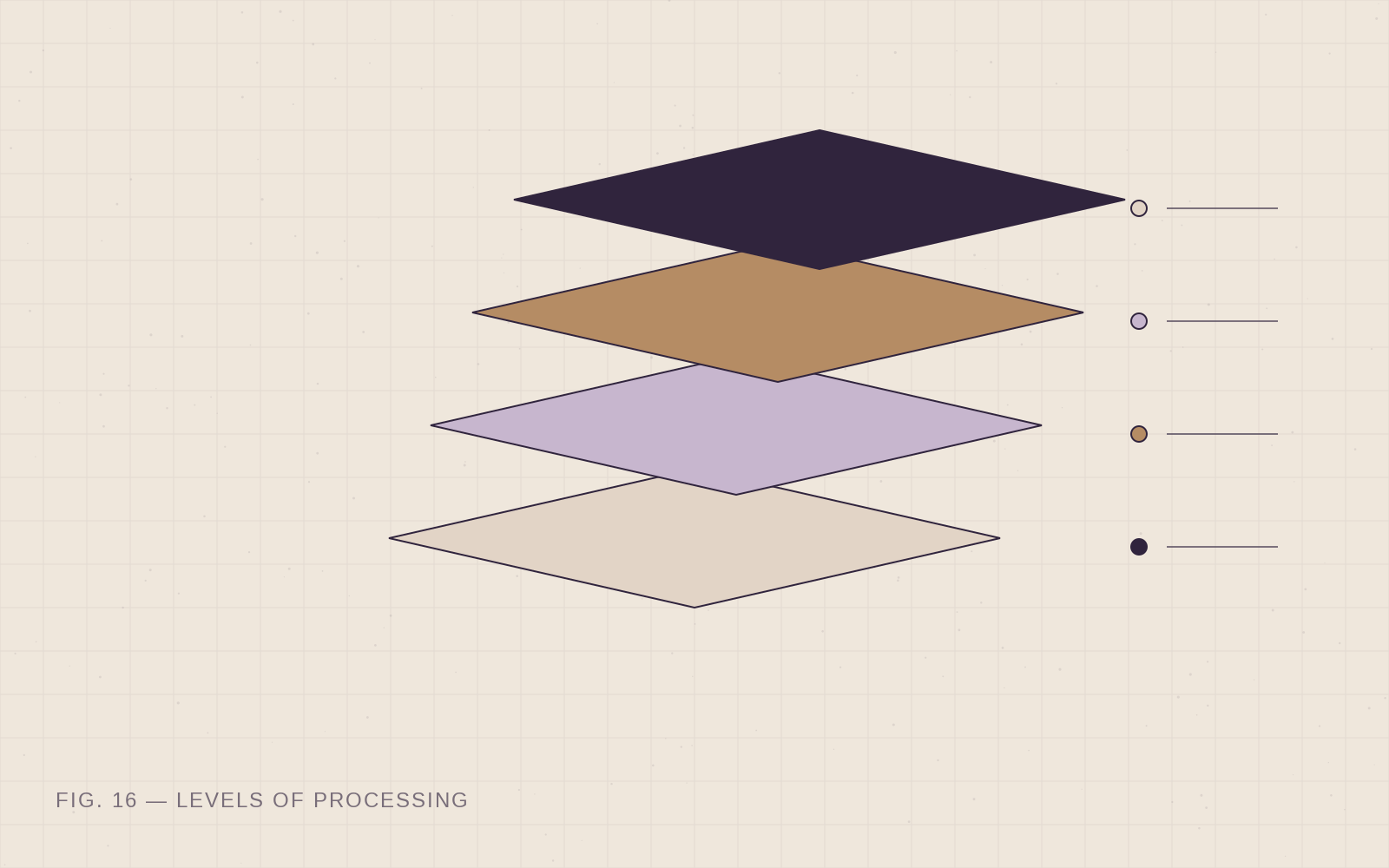
The most widely used system for answering that question is NOVA, developed by researchers at the University of São Paulo. It sorts foods into four groups based on the extent and purpose of industrial processing.
| NOVA group | What it includes | Examples |
|---|---|---|
| 1. Unprocessed or minimally processed | Natural foods, sometimes cleaned, dried, milled, frozen, pasteurised or fermented without adding other substances | Fresh and frozen vegetables and fruit, grains, dal, millets, milk, plain curd, eggs, fresh meat and fish, plain nuts |
| 2. Processed culinary ingredients | Substances extracted from foods and used in cooking | Oils, ghee, butter, sugar, jaggery, salt |
| 3. Processed foods | Group 1 foods with group 2 ingredients added, to preserve or improve flavour | Freshly made bread, cheese, canned vegetables or beans, salted nuts, many traditional pickles |
| 4. Ultra-processed foods | Industrial formulations made mostly or entirely from substances derived from foods and additives, with little intact whole food | Soft drinks, packaged chips and namkeen, instant noodles, many biscuits and breakfast cereals, sweetened flavoured yogurts, reconstituted meats such as nuggets and sausages |
What makes a food “ultra-processed”?
According to NOVA’s authors, a useful clue is the ingredient list. Ultra-processed foods typically contain ingredients rarely or never used in home kitchens: high-fructose corn syrup, hydrogenated oils, hydrolysed proteins, protein isolates, maltodextrin, modified starches, or “cosmetic” additives such as flavours, colours, flavour enhancers, emulsifiers, thickeners and non-sugar sweeteners.
Why processing is not one uniform category
NOVA is useful for research and public health, but it has real limitations that are widely discussed in the scientific literature.
- The group is very broad. It includes soft drinks and mass-produced wholegrain bread; sugary cereal and some fortified infant formulas. Their nutritional profiles differ hugely.
- Classification can be inconsistent. Studies have found that trained researchers don’t always agree on which group a given food belongs to, and many large studies used dietary questionnaires that weren’t designed for NOVA.
- It isn’t about nutrients. A food can be ultra-processed and relatively low in sugar, salt and fat — or minimally processed and high in them (ghee is group 2; a home-fried pakora is not ultra-processed).
- Traditional and home foods don’t fit neatly. Many Indian foods — packaged papad, ready-to-cook idli batter, bakery rusk — sit in grey areas depending on their exact ingredients.
What the evidence says
Observational research
Large cohort studies across many countries have found that people who eat more ultra-processed food have higher rates of several health problems. In 2024, an umbrella review in The BMJ brought together 45 pooled analyses covering almost 10 million participants. Higher ultra-processed food intake was associated with 32 adverse outcomes. The evidence was graded “convincing” for higher risk of cardiovascular disease–related death, type 2 diabetes and common mental disorders such as anxiety and depression, with weaker evidence for other outcomes.
These studies show associations. People who eat more ultra-processed food may differ in many other ways — income, smoking, physical activity, access to fresh food — and although studies adjust for such factors, they can’t remove all confounding.
Controlled trial evidence
The most cited trial was run by Kevin Hall and colleagues at the US National Institutes of Health in 2019. Twenty adults lived in a metabolic ward for four weeks, spending two weeks on an ultra-processed diet and two on an unprocessed diet, in random order. The meals offered were matched for calories, sugar, fat, fibre and macronutrients, and participants ate as much or as little as they wanted.
On the ultra-processed diet, people ate about 500 kcal more per day and gained weight; on the unprocessed diet they lost weight. They also ate faster on the ultra-processed diet.
The trial was small and short, but it was carefully controlled and suggests that something about ultra-processed diets — possibly eating rate, energy density or palatability — encourages overeating.
Nutritional considerations
Whatever the debate about mechanisms, many ultra-processed foods share nutritional features that existing guidance already advises limiting:
- High in added sugars, refined starches, salt, saturated fat and, in some products, industrial trans fat.
- Low in fibre, protein and micronutrients relative to their energy.
- Energy-dense and easy to eat quickly, often in large portions.
- Displacing home-cooked meals built on vegetables, pulses and whole grains.
ICMR-NIN’s 2024 Dietary Guidelines for Indians advise minimising ultra-processed foods high in fat, sugar and salt, and reading labels on packaged foods. WHO’s healthy-diet advice similarly emphasises limiting free sugars, salt and saturated and trans fats — nutrients concentrated in many ultra-processed products.
Practical grocery-shopping considerations
You don’t need to eliminate every packaged food to eat well. A practical approach:
- Build meals around minimally processed foods. Dal, rice, atta, millets, vegetables, fruit, eggs, curd, nuts — the base of most traditional cuisines.
- Use helpful processed foods without guilt. Frozen peas and spinach, canned chickpeas or beans, plain curd, tinned fish, oats and fortified staples are convenient and nutritious.
- Read labels for the rest. Compare products per 100 g for added sugar, sodium and saturated fat, and look at the ingredient list. See our step-by-step food label guide.
- Watch drinks first. Sugary soft drinks and sweetened juices are among the most consistently problematic ultra-processed products and the easiest to swap for water, buttermilk, lemon water or plain milk.
- Make some snacks at home. Roasted chana, makhana, peanuts, fruit and sprouts can replace packaged snacks some of the time.
- Plan to make convenience easier. Many people rely on ultra-processed foods because they’re short on time. Our guide to planning balanced meals for a busy week helps.
Avoiding fear-based thinking
Headlines about ultra-processed foods can create anxiety and guilt, especially for people who rely on convenience foods because of time, cost or access. That isn’t helpful. The evidence supports a shift in the overall pattern — more cooking from simple ingredients, fewer sugary drinks and packaged snacks — not panic about any single product.
Frequently asked questions
Is all processed food bad for you?
No. Many processed foods — frozen vegetables, canned beans, plain curd, oats, fortified staples — are nutritious. Concern focuses on ultra-processed foods, and even there, individual products vary.
How can I tell if a food is ultra-processed?
Read the ingredient list. Long lists with ingredients you wouldn’t use at home — such as emulsifiers, flavour enhancers, modified starches, hydrolysed proteins, glucose syrup or colours — usually indicate an ultra-processed product.
Are Indian packaged snacks ultra-processed?
Many are, but not all. Plain roasted chana or salted peanuts are minimally processed. Namkeen mixes and chips often contain refined oils, flavour enhancers and high levels of salt. Check the label.
Is bread ultra-processed?
It depends. Bread made from flour, water, yeast and salt is a processed food (NOVA group 3). Most mass-produced packaged bread contains emulsifiers and other additives that place it in group 4, though wholegrain versions still provide fibre.
Do ultra-processed foods cause disease?
Large observational studies consistently associate higher intake with several diseases, and a controlled trial showed they can lead to overeating. Proving direct causation for long-term disease is difficult, and researchers are still investigating the mechanisms.
Do I need to cut out ultra-processed foods completely?
No. For most people, the useful goal is to eat them less often and to make minimally processed foods the foundation of meals.
Try the related tools
Key terms in this guide
Sources and references
We link to original research, official guidance and authoritative reviews. Read more about how we evaluate evidence.
- Ultra-processed foods: what they are and how to identify them. Monteiro CA et al., Public Health Nutrition (2019)
- Ultra-processed foods, diet quality, and health using the NOVA classification system. Food and Agriculture Organization of the United Nations (2019)
- Ultra-processed diets cause excess calorie intake and weight gain: an inpatient randomized controlled trial of ad libitum food intake. Hall KD et al., Cell Metabolism (2019)
- Ultra-processed food exposure and adverse health outcomes: umbrella review of epidemiological meta-analyses. Lane MM et al., The BMJ (2024)
- Dietary Guidelines for Indians (2024). ICMR-National Institute of Nutrition
- Healthy diet — fact sheet. World Health Organization
How to cite this guide
NourishDecoded Editorial Team. “Ultra-Processed Foods: Definitions, Examples and What the Evidence Says.” NourishDecoded. Published 22 November 2026; updated 22 November 2026. https://nourishdecoded.com/food-science/ultra-processed-foods/