Start with the foundations
New to nutrition
- What Is Nutrition? A Beginner-Friendly Guide to How the Body Uses Food
- Macronutrients Explained: Carbohydrates, Protein and Fat
- What Does a Balanced Diet Look Like in Everyday Life?
The evidence-informed knowledge platform for clear, referenced answers about what you eat and how your body works. 20 in-depth guides, 5 free tools and 120 cited sources — no hype.
Key numbers, from our guides
Start here
Curated reading paths, so you always know what to read next.
Start with the foundations
Practical, budget-friendly steps
Gut, blood sugar, sleep
What the NOVA classification actually measures, why processing isn't one thing, and what the research does — and doesn't — show about ultra-processed foods.
How protein needs are estimated, why one number doesn't fit everyone, and how to meet them from dal, dairy, eggs, soy and more.
Serving sizes, added sugar, sodium, fats and the ingredient list — a practical method for reading any label, including Indian packaged foods.
The library
Thirteen knowledge areas, built to grow into a complete reference.
How food becomes energy, structure and signals in the body — the foundations every other nutrition question builds on.
Food science
Ingredients, processing, labels and cooking: the science of everyday food knowledge.
Serving sizes, added sugar, sodium, fats and the ingredient list — a practical method for reading any label, including Indian packaged foods.
The trillions of microbes in your gut, what they do, how diet shapes them — and why so many microbiome marketing claims run ahead of the science.
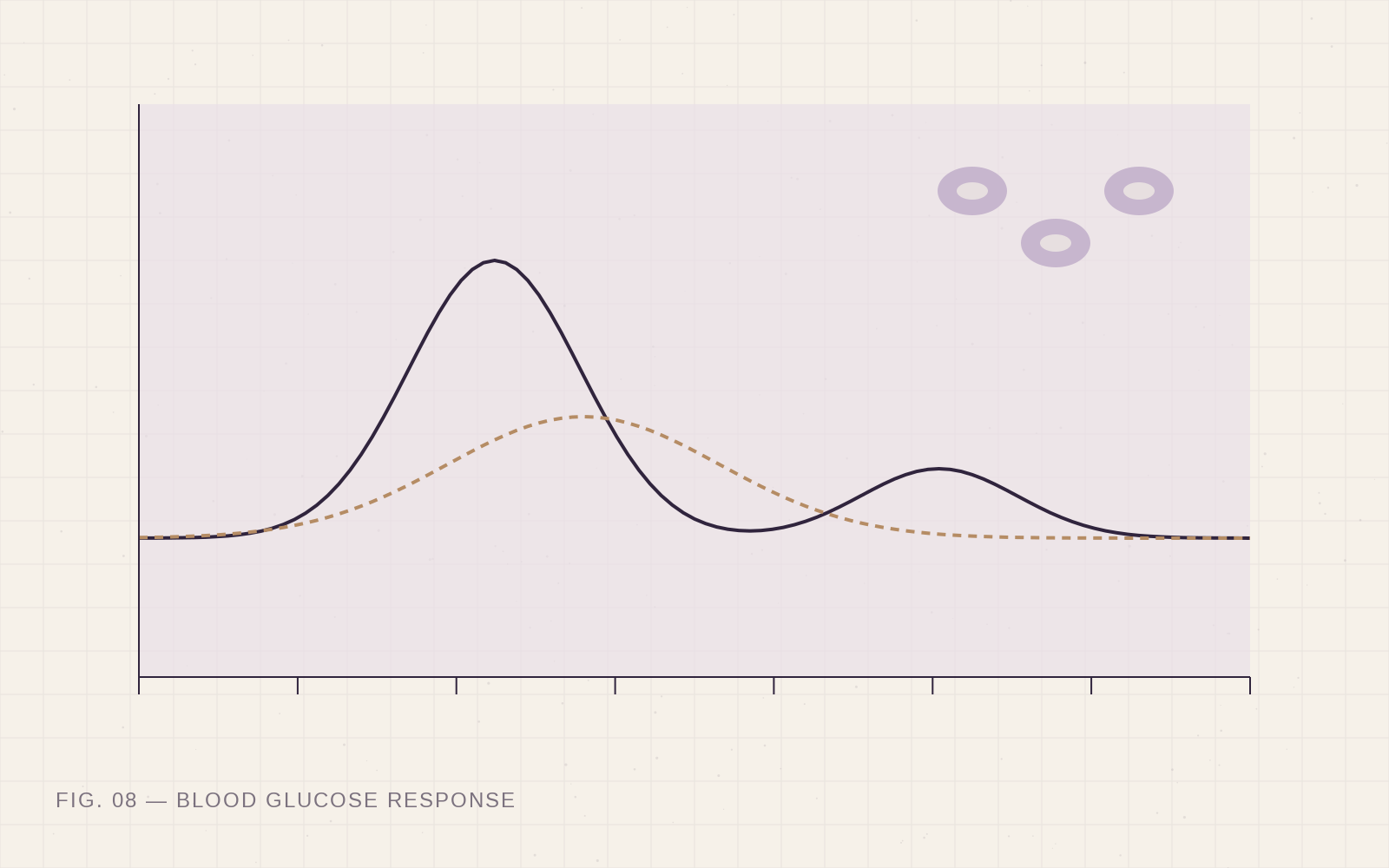
How the body regulates blood glucose, what fasting glucose and HbA1c tests actually measure, what the ranges mean and how food fits in.
Seven hours or more for most adults — plus how sleep stages and body clocks work, why short sleep affects appetite, and habits that genuinely help.
Basal metabolic rate, the thermic effect of food, activity and adaptation — what really shapes how much energy you burn, and which 'metabolism boosters' don't.
Why bloating happens, which foods and habits commonly play a part, practical steps that help many people — and the symptoms that need a doctor.
Three words that sound alike but mean different things — plus why curd, kombucha and a capsule aren't interchangeable, and what the evidence really supports.
Practical guides
Step-by-step guides for the kitchen, the supermarket and the week ahead.
NourishDecoded tools
Free tools that run entirely in your browser. Every result comes with its formula, assumptions and limits.
Questions people ask
Direct answers to the nutrition questions readers search for most. Each links to a guide with the full evidence and sources.
Healthy adults need roughly 0.8 g of protein per kilogram of body weight per day as a baseline. Needs rise with age, regular strength training, pregnancy and some illnesses, so no single target fits everyone.
Read the full guideThe WHO advises adults to eat at least 25 g of naturally occurring fibre a day, and UK guidance says 30 g. Most adults eat less, and pulses, whole grains, vegetables, fruit, nuts and seeds are the easiest ways to close the gap.
Read the full guideMost healthy adults need roughly 2 to 2.5 litres of total water a day in temperate conditions, including water from food. Needs rise with heat, exercise, illness, pregnancy and breastfeeding, and for most healthy people thirst is a reliable guide.
Read the full guideHbA1c reflects your average blood glucose over roughly the past two to three months, because red blood cells live for around three months. Interpreting results and making treatment decisions belong with a clinician.
Read the full guideUltra-processed foods are industrial formulations made mostly from substances extracted or refined from foods, often with additives rarely used in home cooking. The NOVA classification groups foods by processing, and higher intake is linked with several health problems.
Read the full guideProbiotics are live microbes with a demonstrated health benefit; prebiotics are food for beneficial microbes; postbiotics are non-living microbes or their components that benefit health. Fermented foods overlap with all three but are not the same as any of them.
Read the full guideMost adults need at least seven hours of sleep a night on a regular basis, according to expert consensus. Regularly sleeping too little is linked with a range of health problems, including changes in appetite.
Read the full guideLow vitamin D levels are common worldwide, including in India, but whether you need testing or a supplement depends on your circumstances. Testing, interpretation and supplementation are decisions best made with a clinician.
Read the full guideResearch, explained · 10
We break down what studies actually show, what they don't and what it means in everyday life.
Juice cleanses, detox teas and 'reset' plans claim to flush out toxins. Here's how your body actually handles waste — and what the research shows.
Ragi, jowar, bajra and the small millets — what they offer nutritionally, how to cook them well, and which health claims hold up.
Pulses, grains, seasonal produce, eggs and a few smart habits — how to eat nutritiously for less, with India-relevant examples that work anywhere.
Seven hours or more for most adults — plus how sleep stages and body clocks work, why short sleep affects appetite, and habits that genuinely help.
One of the most researched sports supplements — what it does in muscle, where the evidence is strong, where it's thin, and what to consider before using it.
Why vitamin D matters for bones, why deficiency is common even in sunny India, where it comes from, what tests mean and why more isn't better.