In a nutshell
- Millets include major millets (sorghum/jowar, pearl millet/bajra, finger millet/ragi) and small millets (foxtail, little, kodo, barnyard, proso, browntop).
- Most are eaten as whole grains, providing fibre, B vitamins and minerals; ragi is notably rich in calcium.
- A systematic review found most millets have a lower glycaemic index than refined rice and wheat, though processing matters.
- Anti-nutrients such as phytates reduce mineral absorption; soaking, sprouting, fermenting and malting help.
- Millets are a valuable part of varied diets, not a cure for diabetes or a reason to eat highly processed ‘millet’ snacks.
What millets are
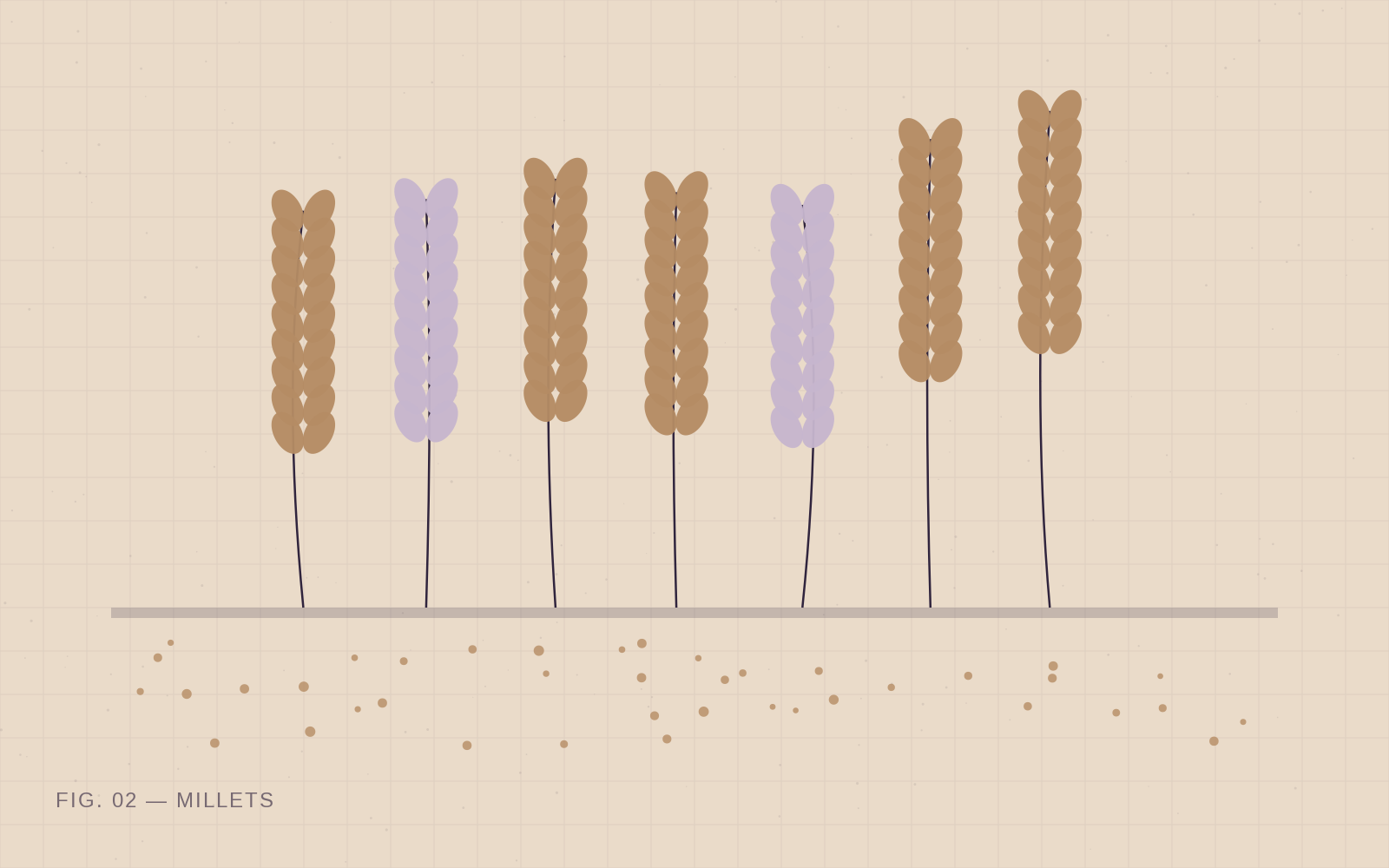
“Millet” isn’t a single plant. It’s a common name for a group of small-seeded grasses grown for grain. Some are only distantly related to each other. What they share is small grains, hardiness and a long history as staple foods in parts of Asia and Africa.
Millets are well suited to dry, hot conditions and poorer soils, and many need less water than rice or wheat. That’s one reason the United Nations declared 2023 the International Year of Millets, a proposal led by India, to raise awareness of their nutritional and climate-resilience value.
Types of millets
| Millet | Common Indian names | Notes |
|---|---|---|
| Sorghum | Jowar, jonna, cholam | Mild flavour; used for bhakri and roti in Maharashtra, Karnataka and beyond |
| Pearl millet | Bajra, sajje, kambu | Widely grown in Rajasthan, Gujarat and Haryana; nutty, robust flavour; traditionally a winter food in many regions |
| Finger millet | Ragi, nachni, mandua | Staple in Karnataka and parts of the Himalayas; notably high in calcium |
| Foxtail millet | Kangni, kakum, navane, thinai | Cooks like rice; used in upma, pongal, pulao |
| Little millet | Kutki, samai, sama | Small grain; used in rice-style dishes |
| Kodo millet | Kodo, varagu, arikelu | Used in rice-style dishes and porridges |
| Barnyard millet | Sanwa, jhangora, kuthiraivali | Commonly eaten during fasting days in north India |
| Proso millet | Chena, barri, panivaragu | Light grain, cooks quickly |
| Browntop millet | Korale, andu korralu | Less common; regional |
Jowar, bajra and ragi are often called the major millets; the rest are small or minor millets. Quinoa and amaranth (rajgira) are sometimes grouped with millets, but they’re pseudocereals from different plant families.
Nutrition
Millets are generally eaten as whole grains, which is a big part of their nutritional value. In broad terms, compared with polished white rice and refined wheat flour, millets tend to offer:
- More dietary fibre (especially when eaten whole rather than as refined flours).
- Minerals — iron, magnesium, phosphorus, zinc and, in the case of ragi, calcium.
- B vitamins, including thiamine and niacin.
- Protein comparable to other cereals (roughly 7–12 g per 100 g, varying by type), limited in the amino acid lysine like most grains.
- Polyphenols and other plant compounds.
Approximate values per 100 g of raw grain or flour (rounded; vary by variety, growing conditions and processing; from Indian and international food composition data):
| Millet | Fibre | Notable minerals |
|---|---|---|
| Ragi (finger millet) | ~10–11 g | Calcium ~300–350 mg — several times that of other cereals |
| Bajra (pearl millet) | ~11 g | Relatively high in iron and zinc among cereals |
| Jowar (sorghum) | ~10 g | Magnesium, phosphorus |
| Small millets (e.g. foxtail, little, kodo, barnyard) | ~6–10 g, varying widely | Varies by millet and processing |
Values for whole grains differ from dehusked or polished forms. Many small millets are dehulled before sale, which reduces fibre somewhat.
Millets and blood glucose
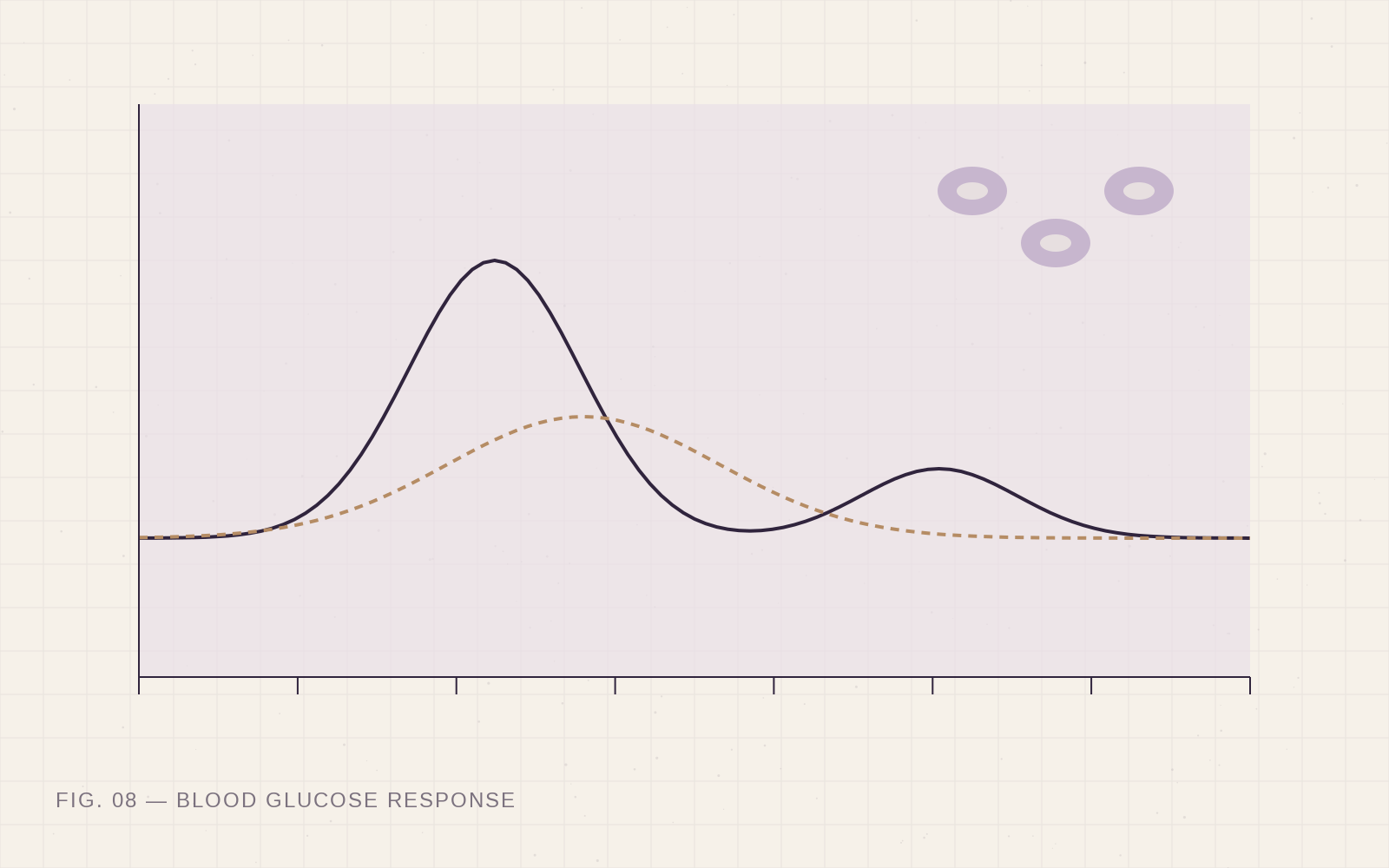
A 2021 systematic review and meta-analysis, co-authored by researchers including scientists from ICMR-NIN, analysed dozens of studies. It found that most millets had a lower glycaemic index (GI) than white rice and refined wheat — little millet was an exception — and that regular millet consumption was associated with lower fasting and post-meal blood glucose and HbA1c in people with diabetes.
GI depended heavily on processing and cooking. Finely milled flours, flakes, puffed or “instant” millet products can have a higher GI than whole or coarsely processed grains.
Millets and iron
A second 2021 review by the same group found that millet consumption was associated with improved haemoglobin and iron status in several studies. Iron absorption from plant foods is limited, however, and depends on anti-nutrients, processing and what millets are eaten with.
Regional Indian context
Millets were once central to diets across much of India. Over recent decades, consumption fell as rice and wheat became more widely available through agricultural changes and public distribution. Recent policy efforts aim to bring them back into meals, school feeding programmes and markets.
Cooking with millets
Preparing whole millets
- Rinse two or three times to remove dust and husk.
- Soak for anywhere from 30 minutes to a few hours (longer soaking for some small millets). Soaking shortens cooking time and may reduce anti-nutrients.
- Cook like rice: small millets often use about 2–3 parts water to 1 part millet, simmered for 15–20 minutes or pressure-cooked for 1–2 whistles. Let stand covered to finish.
- Fluff with a fork. For a softer, khichdi-like texture, add more water.
Using millet flours
- Bhakri and rotis: jowar and bajra flours have no gluten, so dough is made with warm water and patted by hand rather than rolled thin. Mixing with some wheat atta makes rolling easier for beginners.
- Dosa, idli and chilla: ragi or other millet flours can be combined with fermented batters.
- Porridge and malt: ragi is traditionally sprouted, dried and milled into malt for porridge.
- Baking: millet flours can replace part of wheat flour in muffins, cookies and breads.
Simple recipe: foxtail millet vegetable khichdi
Serves 2–3 · About 35 minutes (plus soaking)
Ingredients
- ½ cup foxtail millet (or little or kodo millet), rinsed and soaked for 30 minutes
- ¼ cup split yellow moong dal, rinsed
- 1 cup mixed chopped vegetables (carrot, beans, peas)
- 1 small onion and 1 tomato, chopped
- 1 tsp oil or ghee
- ½ tsp cumin seeds, a pinch of hing, ¼ tsp turmeric
- 1 tsp grated ginger, 1 green chilli (optional)
- Salt to taste
- About 3 cups water
Method
- Heat oil in a pressure cooker. Add cumin and hing, then onion, ginger and chilli; cook until soft.
- Add tomato, turmeric and vegetables; cook for 2–3 minutes.
- Add the drained millet, moong dal, salt and water. Stir well.
- Pressure-cook for 2–3 whistles, then let the pressure release naturally.
- Stir, adjust consistency with hot water if needed, and serve with curd and a salad.
This pairs a millet with a pulse (improving protein quality) and vegetables — a balanced one-pot meal.
Food diversity
Millets add variety to diets dominated by rice and wheat. Diversity in grains — and in all plant foods — is linked with a wider range of nutrients and plant compounds, and possibly with a more diverse gut microbiome. You don’t need to replace rice or wheat entirely; swapping a few meals a week is a practical start.
Nutritional limitations
- Anti-nutrients. Millets contain phytates and, in some varieties, tannins, which reduce the absorption of minerals such as iron, zinc and calcium. Soaking, sprouting, fermenting and malting reduce these.
- Protein quality. Like other cereals, millets are limited in lysine. Pairing them with pulses solves this.
- Processing reduces benefits. Refined millet flours, instant mixes and puffed products can lose fibre and digest faster.
- “Millet” snacks aren’t automatically healthy. Millet cookies, chips and noodles may contain refined flour, sugar, salt and fat. Read the label — see our food label guide.
- Digestive adjustment. A sudden switch to large amounts of high-fibre millets can cause bloating; introduce them gradually with enough fluids.
- Gluten-free, but check. Millets are naturally gluten-free, but cross-contamination can occur in processing. People with coeliac disease should choose certified gluten-free products.
Common claims
“Millets are a superfood.” They’re nutritious whole grains. “Superfood” is a marketing term, not a scientific category.
“Millets are always better than rice.” Whole millets generally offer more fibre and minerals than polished white rice. But brown or hand-pounded rice is also a whole grain, and a balanced diet can include both.
“Ragi is enough for calcium.” Ragi is rich in calcium, but anti-nutrients reduce how much is absorbed. It’s a useful contributor, not a substitute for other calcium sources.
Frequently asked questions
Which millet is healthiest?
Each has strengths: ragi for calcium, bajra for iron and zinc among cereals, jowar for versatility. Eating a variety, as whole grains and with pulses and vegetables, is better than focusing on one.
Can I eat millets every day?
Yes, millets can be part of daily meals for most people, ideally rotated with other grains. Introduce them gradually if you’re not used to high-fibre foods.
Do millets need to be soaked?
Soaking isn’t strictly necessary but shortens cooking time, improves texture and may reduce anti-nutrients. Small millets benefit from at least 30 minutes of soaking.
Are millets good for weight loss?
Millets are filling because of their fibre, which can help with appetite. Weight change depends on overall diet and activity; no single grain causes weight loss.
Are millets gluten-free?
Millets are naturally gluten-free. People with coeliac disease should choose products certified gluten-free to avoid cross-contamination.
Can children eat millets?
Yes. Ragi porridge, for example, is a traditional food for young children in parts of India. For infants, follow your paediatrician’s advice on introducing foods.
Try the related tools
Key terms in this guide
Sources and references
We link to original research, official guidance and authoritative reviews. Read more about how we evaluate evidence.
- International Year of Millets 2023. Food and Agriculture Organization of the United Nations
- A systematic review and meta-analysis of the potential of millets for managing and reducing the risk of developing diabetes mellitus. Anitha S et al., Frontiers in Nutrition (2021)
- Millets can have a major impact on improving iron status, hemoglobin level, and in reducing iron deficiency anemia — a systematic review and meta-analysis. Anitha S et al., Frontiers in Nutrition (2021)
- Dietary Guidelines for Indians (2024). ICMR-National Institute of Nutrition
- ICAR-Indian Institute of Millets Research. Indian Council of Agricultural Research
- Indian Food Composition Tables (2017). Longvah T et al., ICMR-National Institute of Nutrition
How to cite this guide
NourishDecoded Editorial Team. “Millets Explained: Types, Nutrition and How to Use Them.” NourishDecoded. Published 22 November 2026; updated 22 November 2026. https://nourishdecoded.com/recipes-cooking/millets-explained/